LEARNING TO PROGRAM
2010-2012
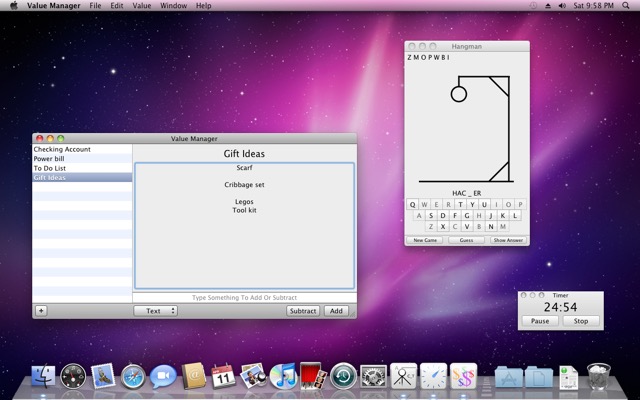
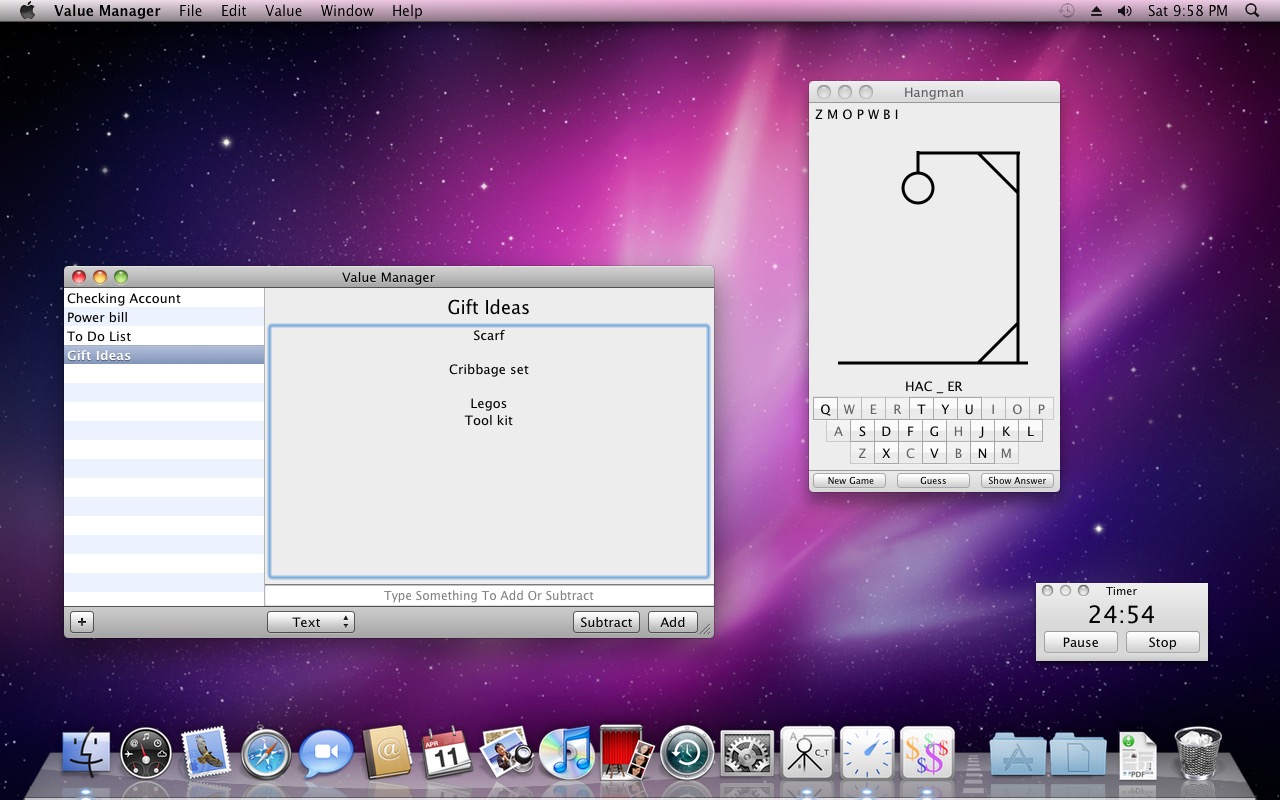
The three biggest projects I completed in this era: Value Manager, Hangman, and Timer-Stopwatch.


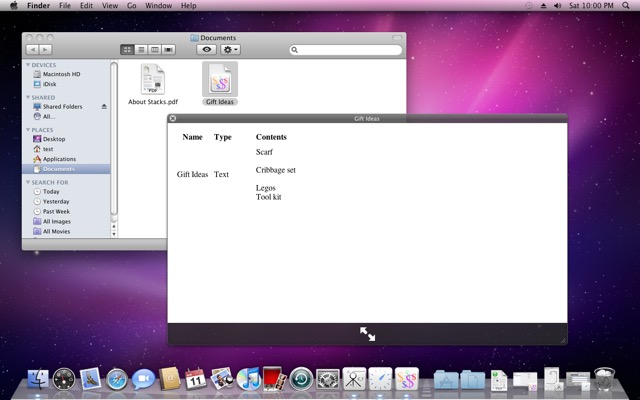
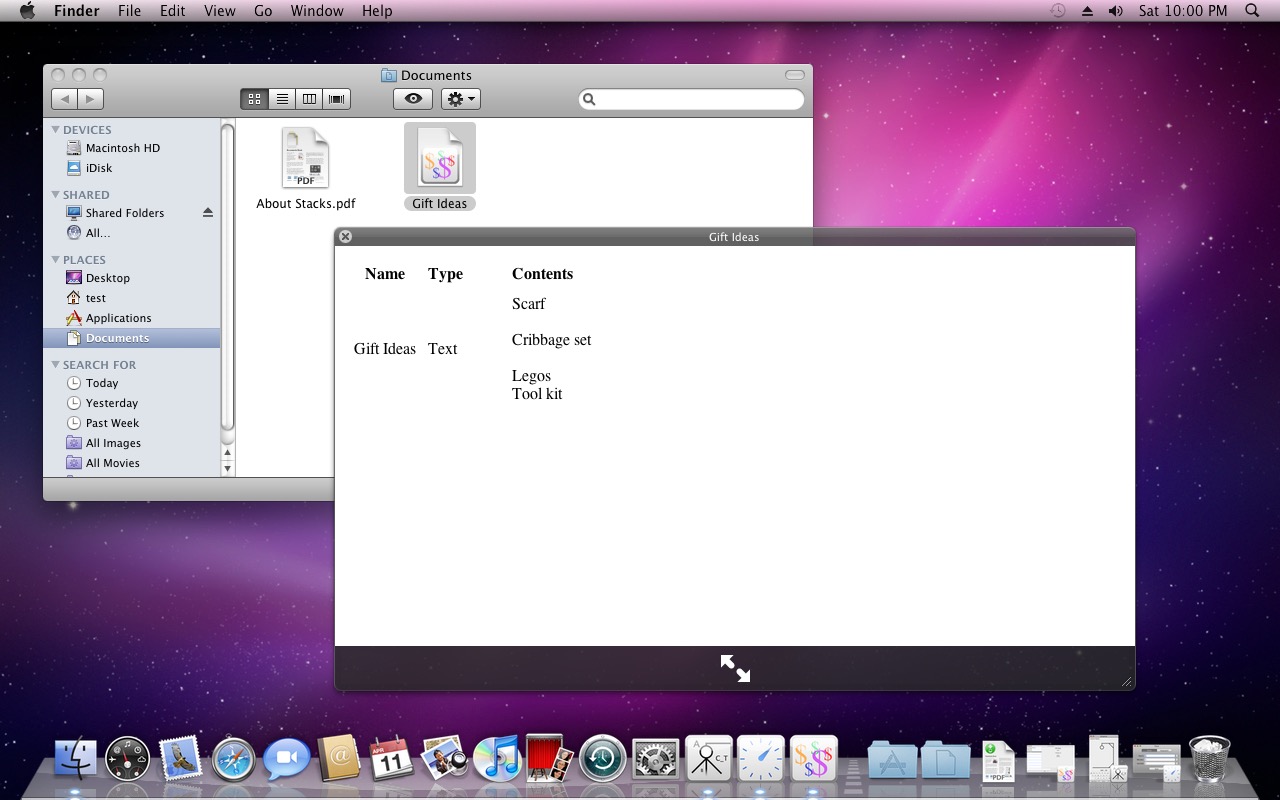
I learned about system integrations, such as getting a custom file format recognized by the system and generating a custom preview for Quick Look.
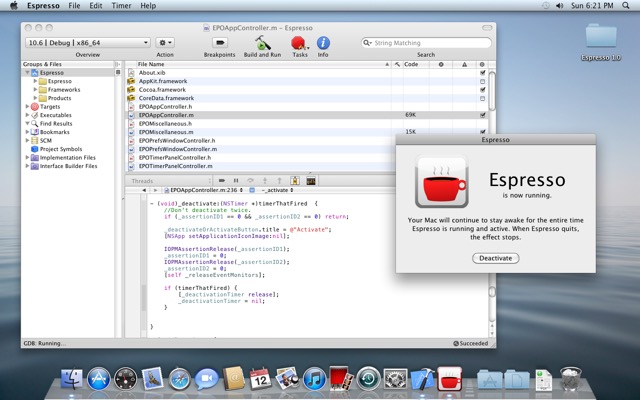
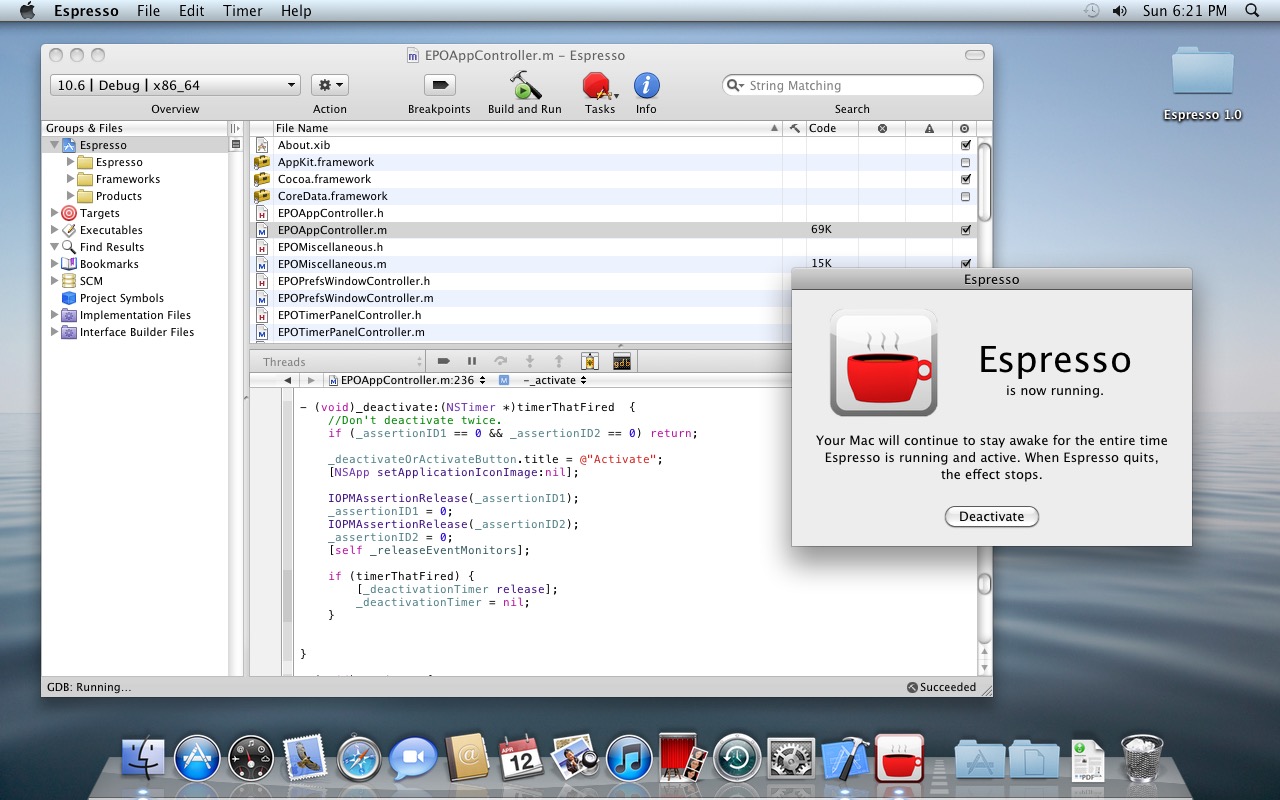
A simple utility to keep the screen from sleeping, shown here being built from source and run using Xcode 3. I would later refine this into a much more robust app and publicly release it as Coffee Buzz.
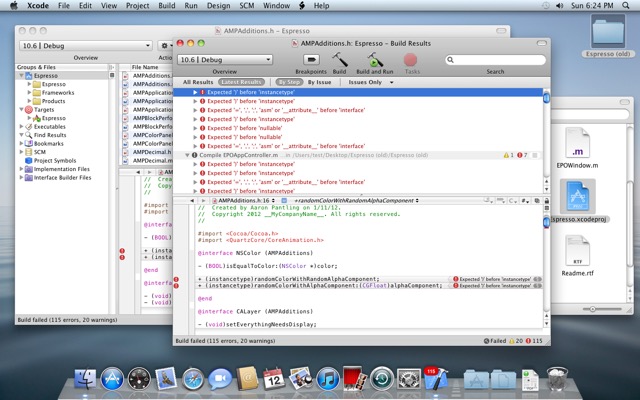
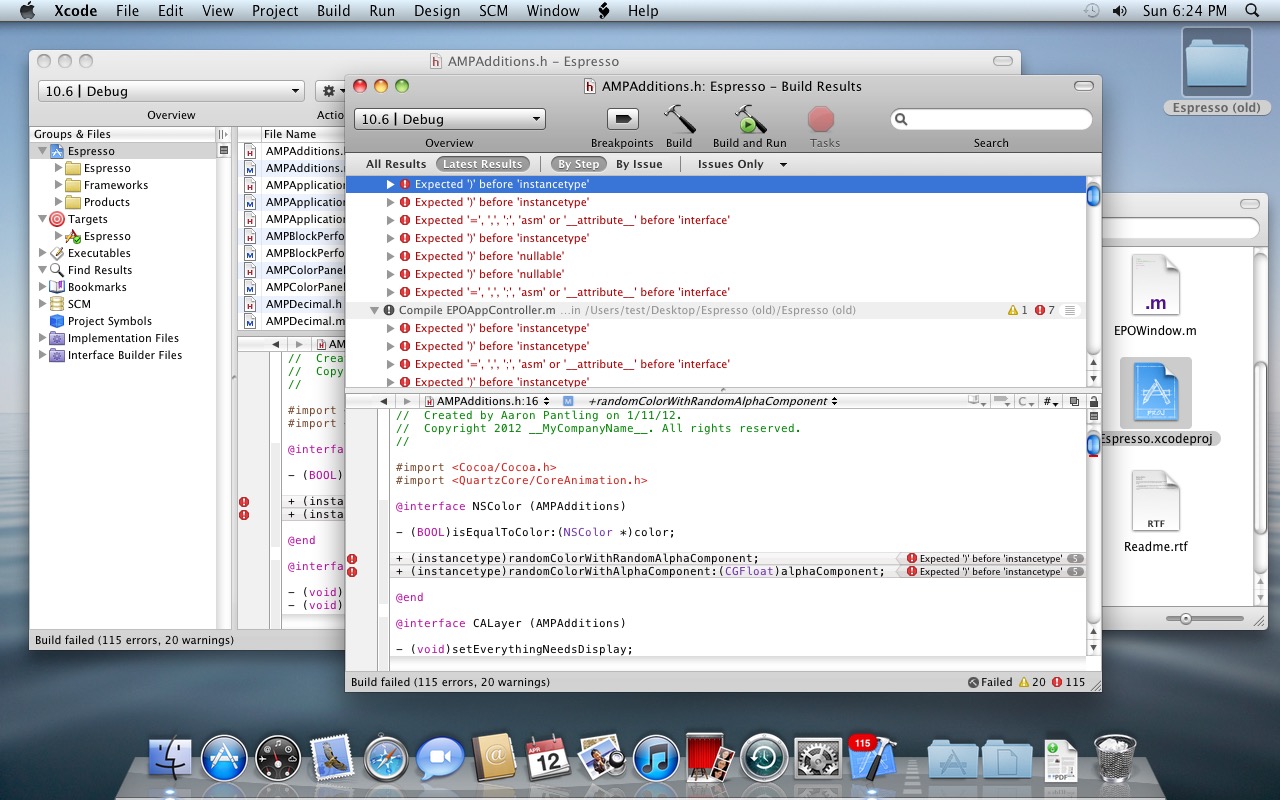
A different backup of Espresso's source code was already using a newer dialect of Objective-C than this ancient version of Xcode supports.
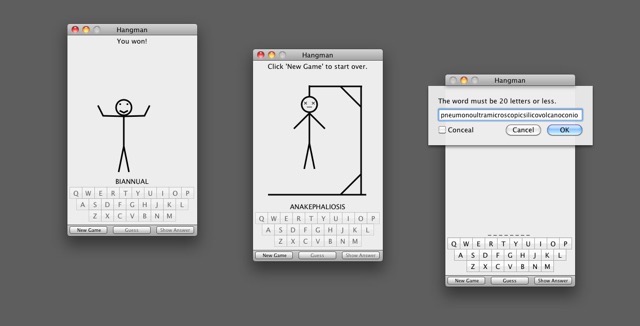
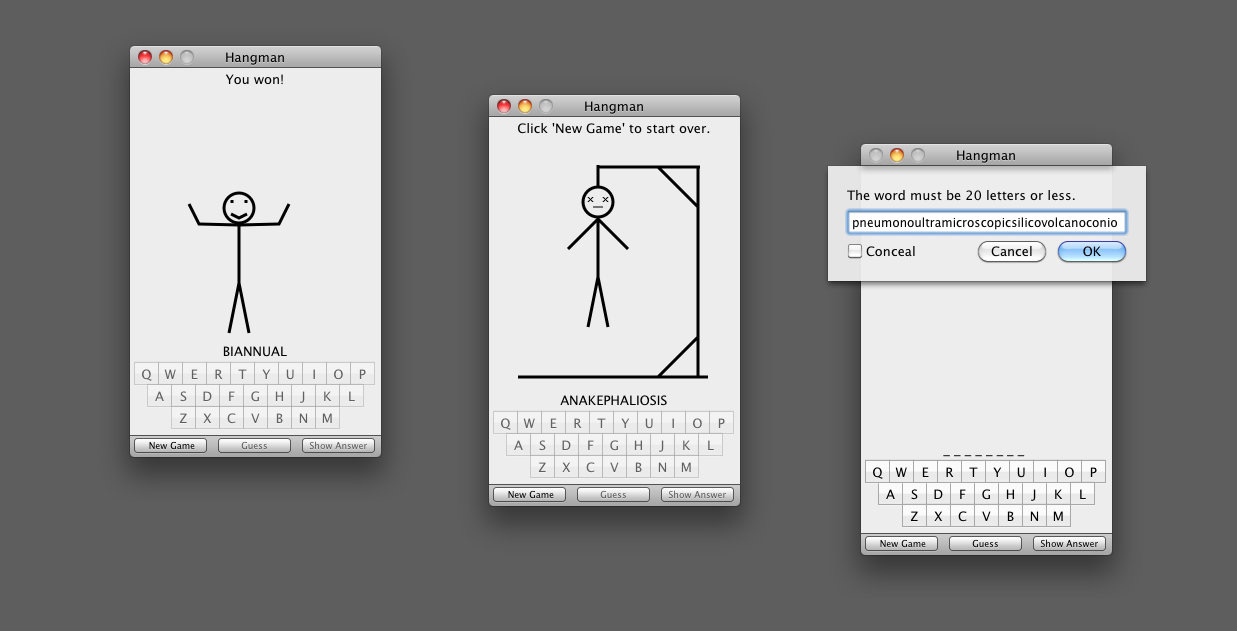
Hangman supported either one player (picking from an internal dictionary) or two (letting you choose the word). There were limits to how devious you could be, however.
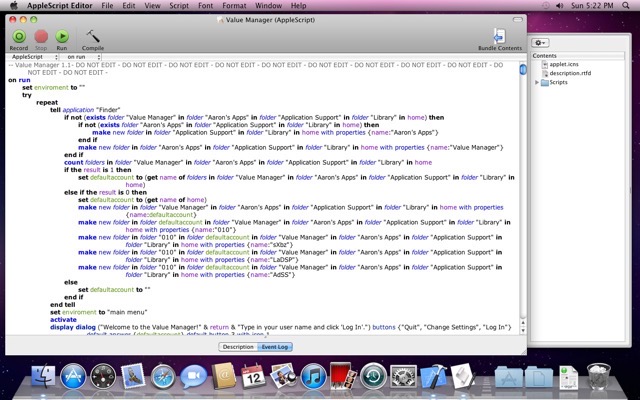
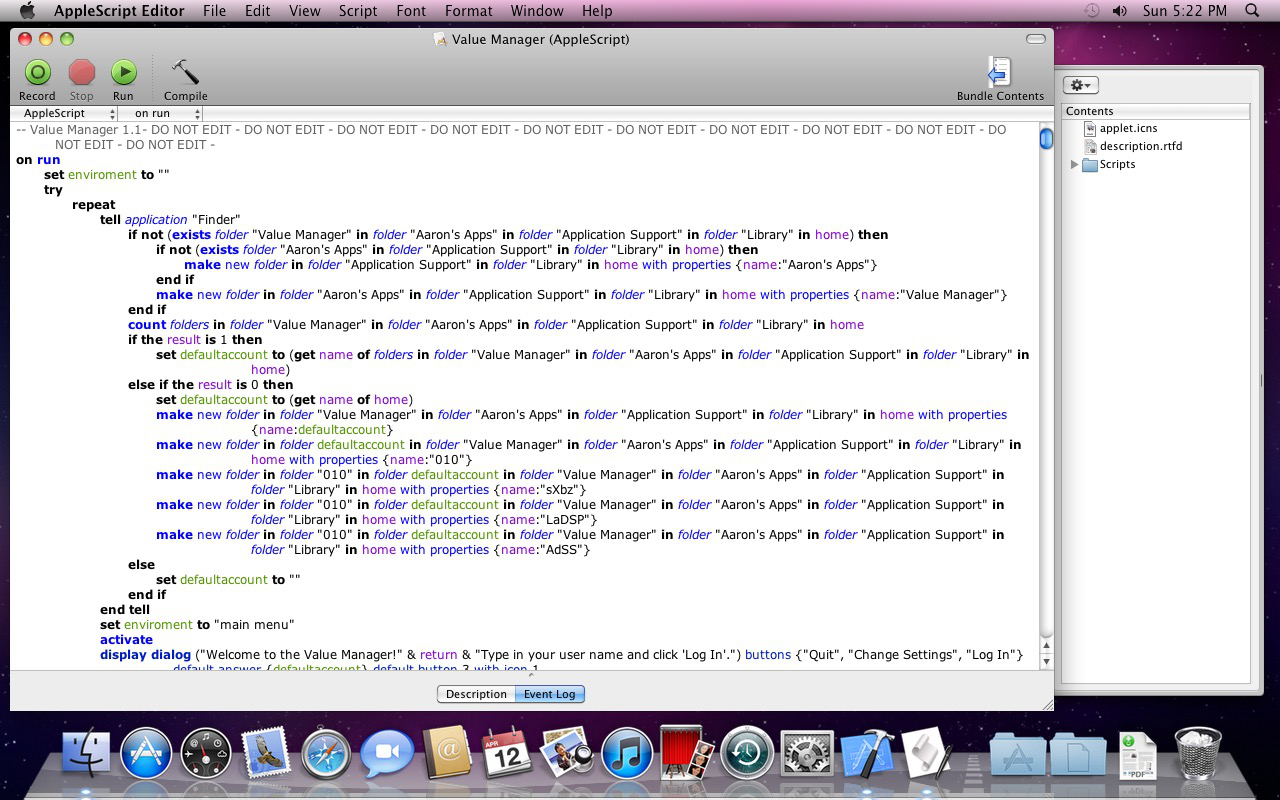
The code of my earliest "application." consisting of a crude user interface constructed entirely out of dialog boxes and prompts in AppleScript.
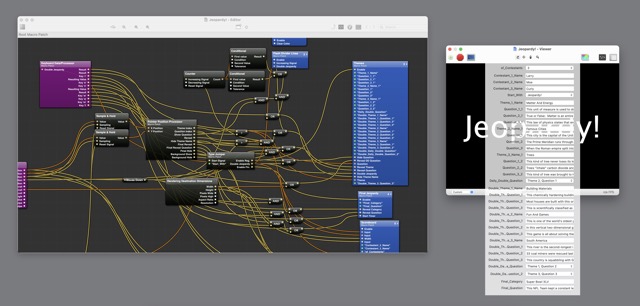
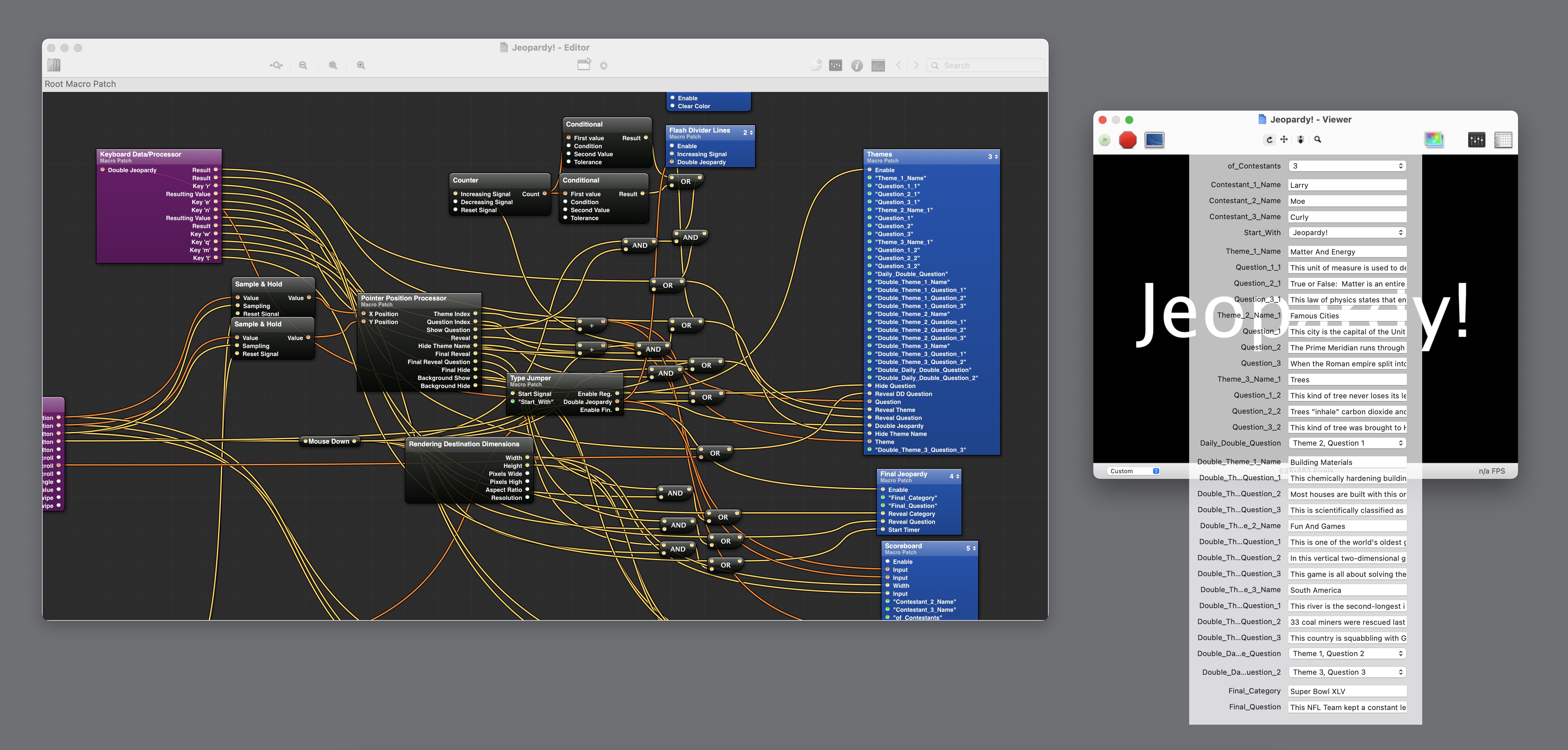
This re-creation of the Jeopardy scoreboard included both graphics control and a complicated state machine. I've long since forgotten how it works or how to operate it.
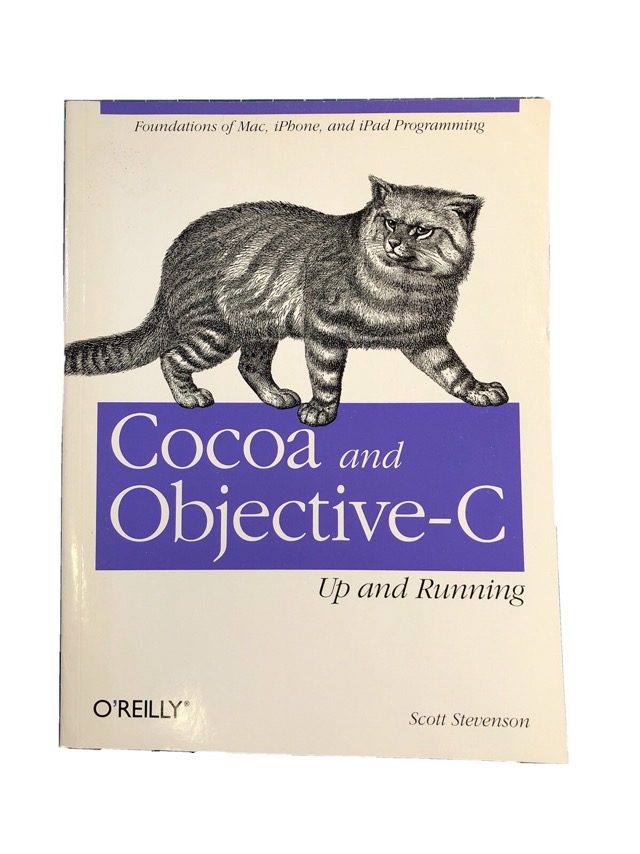
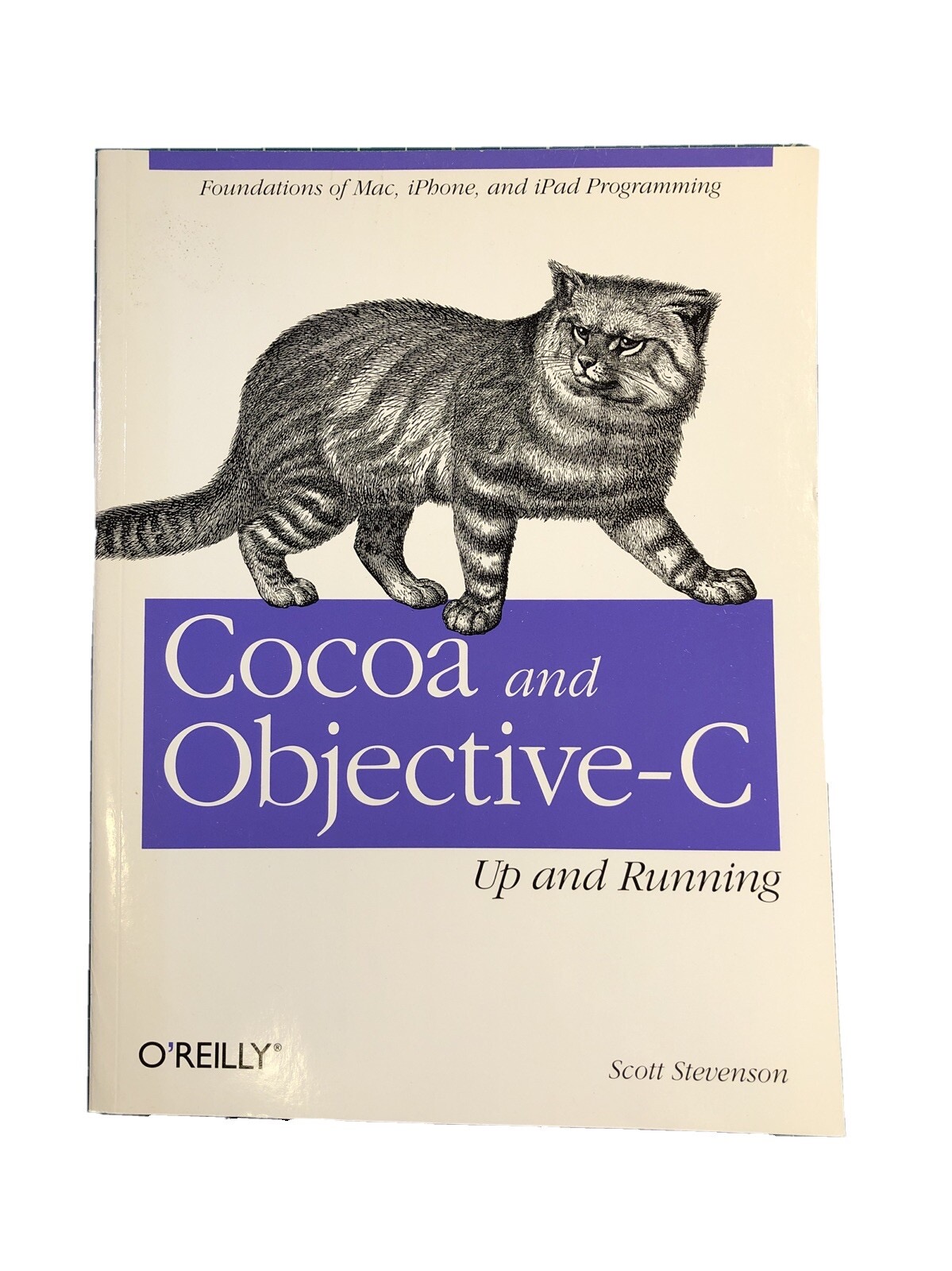
The book I studied for foundational knowledge. (Photo from an eBay listing)
Since I was a young child, I was interested in the inner workings of computers. I had poked around a little with our Windows XP family computer, but because we all shared the one machine (including my parents), I wasn't free to really do much with it. That changed slightly when we got a MacBook Pro in addition to the PC. While exploring the contents of the Mac OS X Snow Leopard install DVD one Saturday morning, I discovered an installer for Xcode, the official development environment for Apple platforms.
Instantly, I found myself in over my head, yet the allure of being able to build something entirely custom, fully my own, was too great to ignore. I started trying to learn about programming, and the most approachable thing I found was the natural-language-inspired syntax of AppleScript. Meant for automating other software and barely capable of an interactive user experience, I bent the scripting language to my will and crafted my first "application": a key-value database whose UI was an endless series of dialog boxes like a phone menu and that stored information using the only data structures I knew how to manipulate: the titles of folders. It was a mess, but it did work.
That was obviously a dead end, yet I still had no idea how to write serious code. Next, I turned to the graphical programming environment of Quartz Composer. A node-based system designed for building interactive animations like transitions, screen savers, and so on, it operated in a manner that today I'd say is roughly similar to how compositing nodes in Blender work. It would be a decade before I would fully understand how node-graph programming was meant to be used, so in the meantime I figured it out my own way. I colored outside the lines yet again, building a hideously complex state machine to emulate basically the entire functionality of the Jeopardy scoreboard. The plan was to use it for a family game-show night, but sadly, I don't remember ever getting an opportunity for that. I didn't leave any notes for my future self on how to operate the thing either.
My parents bought me a textbook, and from that I finally started learning how to do this stuff properly. The book began with simple command-line programs written in C, then progressed into simple concepts of object-oriented programming before getting fully hands-on with the real contemporary tools for developing Mac applications: Objective-C, Interface Builder, and the Cocoa user-interface framework. By the time I had finished all the detailed tutorial projects in the book, I had everything I needed to begin building my own software.
The first app I built was a re-take on the AppleScript mess. Value Manager gained a real user interface, proper data storage, and a whole host of other features and behaviors to integrate nicely with Mac OS X. I learned how to let the user drag items around, copy and paste, undo/redo, import and export using a custom-defined file type fully recognized by the system, and more. After that, I developed a Timer/Stopwatch application (since Mac OS X had no equivalent to the Clock app on iOS), and from that project I learned a lot about how operating systems are optimized under the hood and don't actually do things in real time. Third, a Hangman game, where I first experimented with drawing custom graphics on a canvas. And finally, Espresso, a bare-bones utility to control the power behavior of the system and prevent it from going to sleep automatically. A few years later, I would rebuild this app from the ground up as Coffee Buzz and release it publicly on the Mac App Store.
There were a few other concepts I experimented with and a handful of other ideas for simple games, but by this point I was ready to quit playing around and started planning an ambitious project: writing my own image editing and design tool.